
LEARNING LEBANESE
According to UNESCO:
The Arabic language is a pillar of the cultural diversity of humanity. It is one of the most widely spoken languages in the world, used daily by more than 400 million people. World Arabic Language Day is celebrated every year on 18 December since 2012. The date coincides with the day in 1973 that the General Assembly of the United Nations adopted Arabic as the sixth official language of the Organization.
In the diversity of its forms, classic or dialectal, from oral expression to poetic calligraphy, the Arabic language has given rise to a fascinating aesthetic, in fields as varied as architecture, poetry, philosophy and song. It gives access to an incredible variety of identities and beliefs and its history reveals the richness of its links with other languages. Arabic has played a catalytic role in knowledge, promoting the dissemination of Greek and Roman sciences and philosophies to Renaissance Europe. It has enabled a dialogue of cultures along the silk roads, from the coast of India to the Horn of Africa.
If you are looking to learn basic words with your kids, check out Matti and Massi Missions Dubai, where two adventure-seeking brothers are in a race against time to gather evidence in Dubai and learn Arabic along the way.
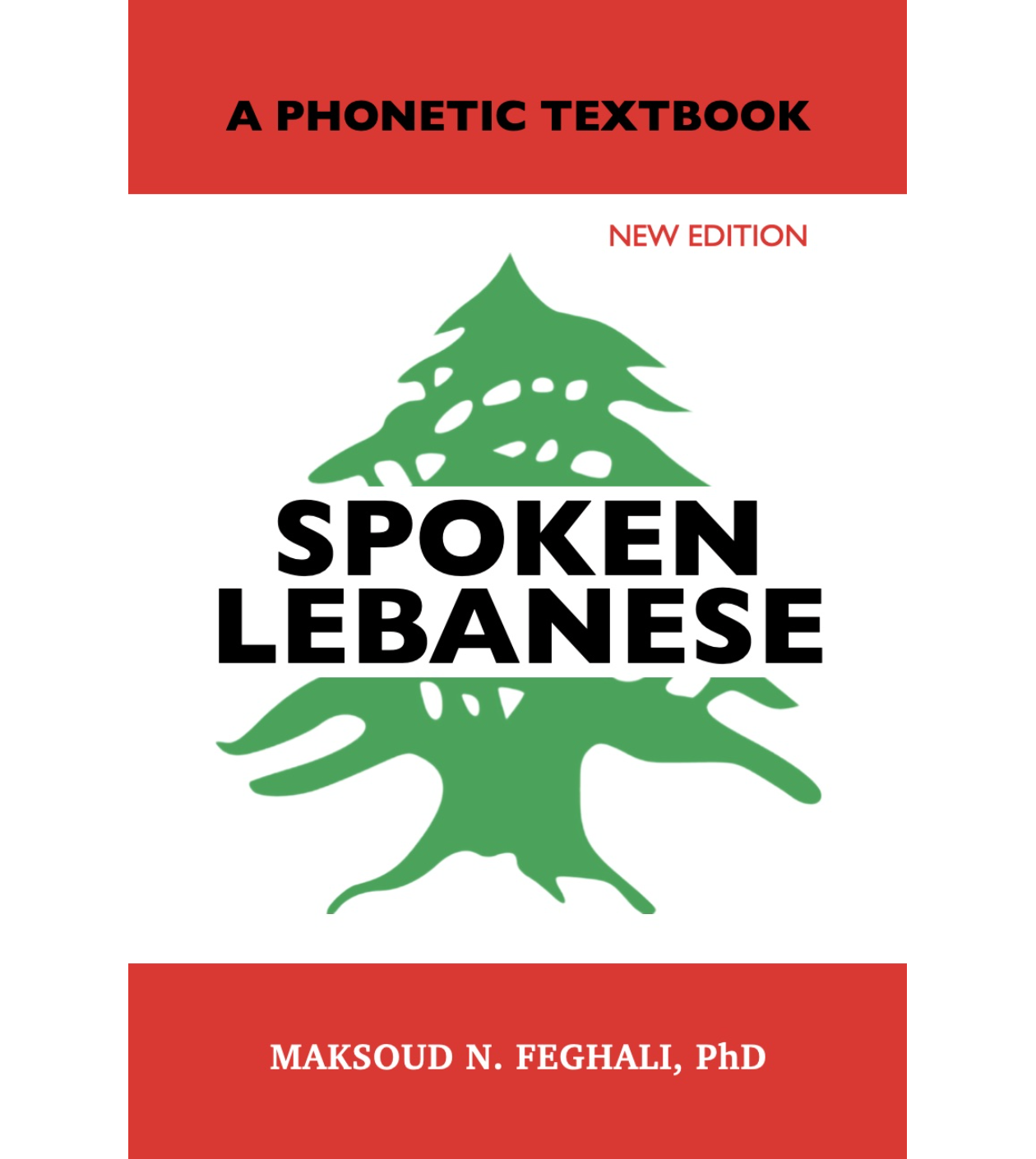
If you are interested in getting deeper into the language, check out Spoken Lebanese, a phonetic textbook that teaches the Lebanese dialect through topics such as food, clothing, transportation, and leisure activities.
Learning a new language has many benefits including enhancing communication skills, expanding the mind, improving memory, and deepening cultural understanding.